Understanding the Initial Investment
When stepping into a casino, many players only focus on the immediate costs of purchasing chips or slot credits. However, the initial investment often extends beyond mere gambling funds. For instance, players frequently overlook the expenses associated with transportation to and from the casino, which can add up significantly, especially for those traveling from long distances. Furthermore, many individuals opt to stay overnight at nearby hotels, which can lead to substantial lodging costs that should be factored into the overall gambling budget, particularly when considering how canada sports betting might also influence their plans for the weekend.
Additionally, dining expenses can accumulate quickly while enjoying a day or night at the casino. Many establishments provide a wide range of dining options, from casual eateries to fine dining experiences. While these options may enhance the overall experience, they can also lead to unexpected expenditures, particularly if players indulge in multiple meals or drinks. As a result, it is crucial for players to prepare a comprehensive budget that encompasses these hidden costs, ensuring they don’t overspend while chasing their gaming experiences.
Lastly, some casinos offer loyalty programs or promotional events that entice players to spend more. These programs can often lead individuals to gamble beyond their intended limits, resulting in further financial implications. Understanding the broader scope of initial investments helps players make informed decisions and enjoy their time without the burden of unexpected debt.
The Cost of Drinks and Entertainment
While many casinos entice guests with complimentary drinks, it’s vital to recognize the indirect costs that accompany this perk. Often, patrons may feel pressured to tip bartenders or servers generously, escalating their overall spending throughout the night. Moreover, the more drinks a player consumes, the greater the risk of losing track of their gambling budget, resulting in impulsive betting and extended losses. This social aspect of drinking in a casino environment can significantly inflate the true cost of entertainment.
In addition to beverages, many casinos feature live shows, concerts, or other entertainment options that come with additional fees. While these experiences can be captivating, they often require separate tickets or reservations, which many patrons may not anticipate. The allure of entertainment can sometimes overshadow the potential costs, leading players to spend more than they initially planned. It’s essential for casino visitors to include these entertainment expenses in their overall gambling budget to maintain control.

Furthermore, the environment within casinos encourages a sense of excitement and euphoria, which can cloud judgment. Players may be drawn into spending more on games or entertainment than they had intended, often as a result of promotional offers that seem irresistible. Being mindful of this tendency can help patrons keep their expenses in check, ultimately leading to a more enjoyable casino experience.
The Impact of Losses and Emotional Spending
One major hidden cost associated with gambling in casinos is the psychological impact of losses. Many players underestimate how losses can affect their emotional state, leading to irrational decision-making. When faced with a losing streak, individuals may feel compelled to chase their losses, increasing their gamble to recover what has been lost. This cycle can lead to serious financial repercussions, with players often spending much more than they initially intended.
Another aspect of this emotional spending is the tendency to engage in risky bets during moments of frustration or desperation. The desire to quickly regain lost money can push players to make large wagers that don’t align with their initial budget. This emotional rollercoaster can culminate in substantial financial strain, as players may end up with depleted funds that extend well beyond their original limits. Understanding the potential for emotional spending is critical in mitigating gambling-related expenses.
Moreover, some players find themselves making impulsive decisions to continue gambling even when they are already in significant debt. This behavior, often fueled by the hope of winning back losses, can lead to a complete disregard for responsible gambling practices. Recognizing the hidden costs associated with emotional spending is crucial for establishing a sustainable and enjoyable gambling experience.
The Role of Marketing and Promotions
Casinos often employ savvy marketing strategies to attract new players and retain existing customers. While these promotions may initially seem beneficial, they can sometimes mask the hidden costs of gambling. For example, enticing bonuses or complimentary chips are often tied to specific conditions that may result in additional spending before players can fully realize any benefits. This strategy can encourage players to gamble more, leading to an increase in both initial costs and losses.
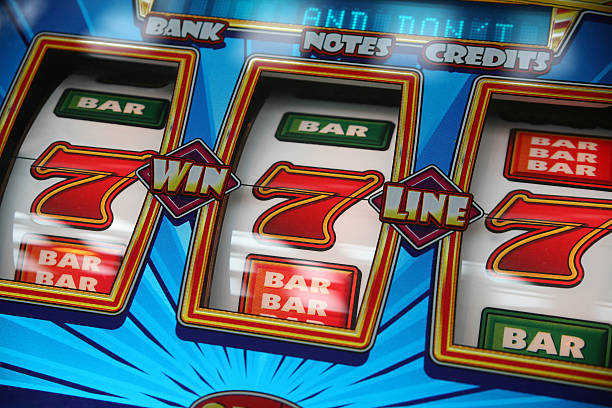
Moreover, promotional offers can create a sense of urgency, compelling players to act quickly without fully considering the consequences. Marketing campaigns may highlight grand jackpots or limited-time offers that can distract players from assessing the actual risks of their gambling activities. This excitement can lead to impulsive decisions, ultimately resulting in unexpected expenses that outweigh the perceived benefits of the promotions.
Additionally, loyalty programs can create a false sense of value, leading players to believe they are getting more for their money. While some rewards may be attainable, the level of spending required to maintain status or to achieve the next tier can be prohibitively high. Players should critically assess these marketing strategies and ensure they approach gaming with a well-defined budget to avoid falling into the trap of hidden costs.
Maintaining Responsible Gambling Practices
Every casino-goer should prioritize responsible gambling practices to navigate the multitude of hidden costs effectively. Setting a firm budget before entering the casino is essential for maintaining control over expenditures. This budget should account for all potential costs, including transportation, food, drinks, and entertainment, alongside gambling funds. By having a clear financial plan, players can minimize the risk of falling into debt or becoming overwhelmed by unforeseen expenses.
Moreover, regular self-assessment can help players remain accountable for their gambling habits. Taking breaks during gaming sessions allows individuals to evaluate their financial situation and recognize when they might be straying from their budget. This practice can also help mitigate emotional spending triggered by losses or frustrations. Staying aware of personal limits is crucial for an enjoyable experience in a casino environment.
Lastly, engaging with resources and support networks related to responsible gambling can provide individuals with helpful tools and strategies for managing their gaming behavior. Many casinos offer educational programs designed to help players understand the risks associated with gambling. By taking advantage of such resources, players can make informed decisions that not only enhance their entertainment value but also safeguard their financial well-being.